
Center for Digital Business Growth (CDBG) in Aalto University School of Business was founded to help Finnish companies turn digital investments into measurable, sustainable growth. It is a network of business and academic professionals working together to translate academic knowledge into practical insight for business leaders. The center is a learning platform that shares research summaries, runs seminars and organises workshops for company leaders, and brings them together with its fellow network to solve practical business challenges.
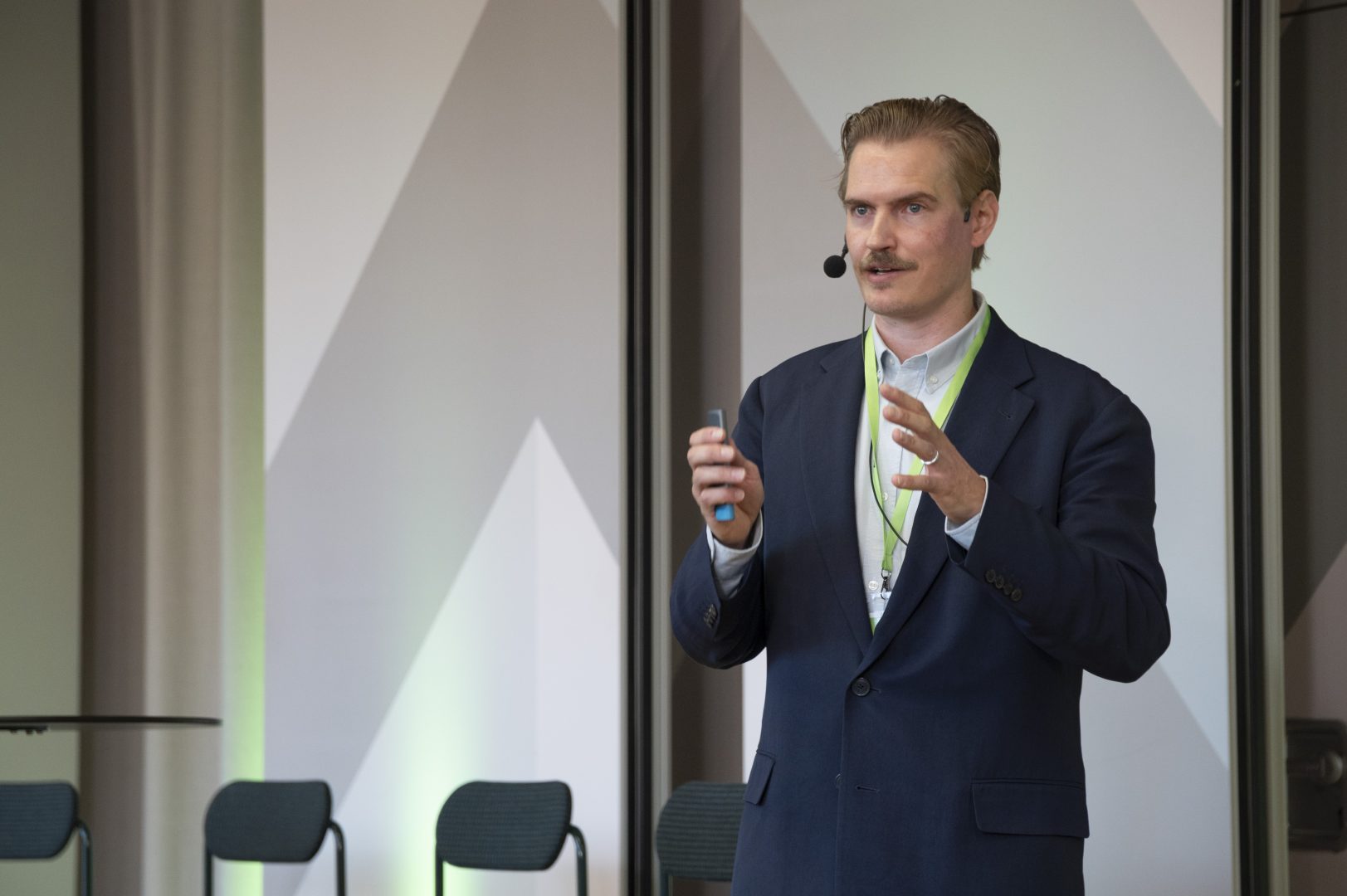
In recent Better Business – Better Society seminar, two of CDBG's Founding Fellows talk about what it looks like to drive digital growth. Heikki Lempinen, CEO of Reima Group and Founding Business Fellow, tells that Reima’s growth is built on digital and the company is now implementing AI in its processes. Munir Mandviwalla is a Professor and Director of the School of Information Systems at the University of South Florida Muma College of Business and Founding Academic Fellow. Munir has worked with multiple companies over the years helping them to transforms and grow their businesses. His work is a great example on how research and studying companies and their operations can help companies grow.
When it comes to digitalisation and especially now with AI, we’re entering the next transformation in what Heikki calls digitalizing already digitalized processes. In e-commerce, Heikki outlines three examples that AI has changed. First, the majority of new site traffic now comes via AI tools like ChatGPT, as consumers ask AI to find and compare products directly. Second, AI tools are helping personalise the on-site experience and improve conversion. Third, AI is speeding up background processes. Reima has shortened its seasonal marketing cycle from six months to just one week, using a content engine that scales and adapts the marketing material the team creates.
Although the early results are promising, Heikki emphasizes that cutting costs should not be the only priority and AI also comes with risks related to damaging the brand. Companies shouldn't chase short-term savings, but prioritize growth and speed instead. Even though plans are easy to make, implementation is hard, especially when it changes how people work. Therefore, the path forward isn’t fully mapped out and real strategic choices still remain. What matters is unlearning old habits to utilise new technology and build digital growth and do it with urgency, because the window to act won't stay open for long.
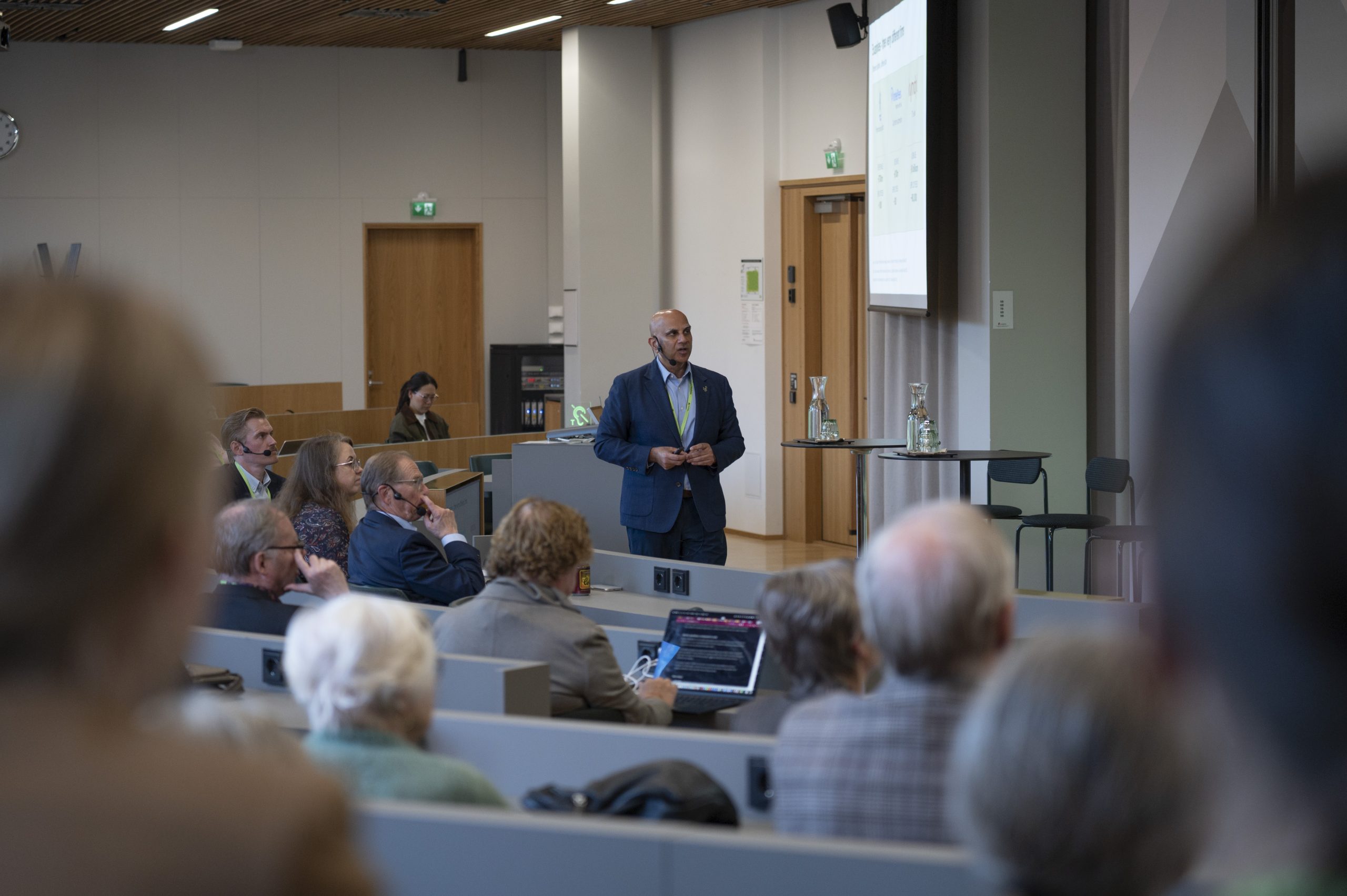
AI can provide an answer to everything and make it look good even when you have old processes, bad processes and processes that are not industry best practices. In this case, as Munir states, the result will be garbage but it will look convincing. Munir’s research shows that the return on AI depends on the state of the data and the processes and decisions around it. Kyndryl, a spinoff of IBM, had inherited almost two thousand systems, some were duplicates and some had overlapping data. The decision Kyndryl made to be an AI first company was to fix their data and processes and standardise their data and involve all the business units in the standardisation.
To help companies figure out where they actually stand, Munir and his co-authors built the AI Opportunity Index, a scorecard that measures how ready a company's data and processes are for AI. Their analysis of US firms shows that industry alone doesn't decide the opportunity. Even in sectors where AI is not an obvious fit, like public administration, the best-prepared firms score well above their sector average, suggesting that execution matters more than starting position.
AI adoption is already under way, but outdated processes, tangled data and a focus on cost cutting can get in the way of growth. CDBG is a research center that studies digital and provides business leaders with a learning platform through which the findings, insights and evidence from academic research are shared in a business-relevant form. Through seminars, one-to-one workshops and executive roundtables, CDBG engages company leaders in a dialogue that enables them to test their ideas with researchers and fellows, learn from a range of research, and compare notes with others facing the same questions.
As Heikki Lempinen notes, the Center for Digital Business Growth is important because it focuses on the challenge of turning digitalisation and AI into sustainable, profitable business growth in an increasingly complex and volatile environment. CDBG brings together rigorous academic research and real-world executive experience to better understand how digital capabilities, leadership, and organizational choices translate into long-term growth.